Most engagements begin with Automation Implementation.Managed Automation and Managed Systems are offered once a stable automation foundation is in place.
Automation Implementation
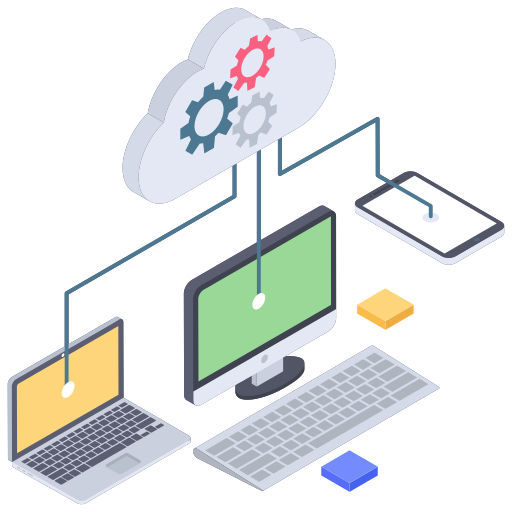
Automation Implementation is the foundation for all ongoing work.Kiruyi designs and implements automation systems tailored to each store’s operational structure, with safeguards in place before anything runs in production.
What it handles
1. Design and setup of store-specific automation systems
2. Supplier synchronization and pricing logic
3. Catalog rules and safeguards
4. SEO metadata automation integrated into the catalog system
5. Validation, dry runs, and controlled execution
How it's typically used
Automation Implementation is the first engagement with Kiruyi. It is used when a store needs automation built correctly from the start, with real business rules reflected in the system. The goal is to establish a stable foundation that can be relied on before automation becomes business-critical.
Managed Automation
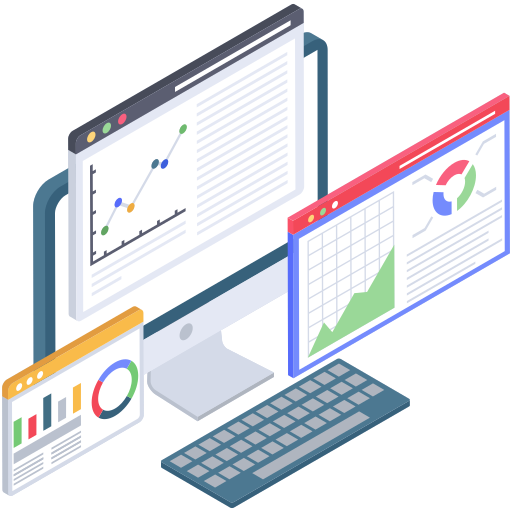
Managed Automation focuses on operating and maintaining automation systems as data, catalogs, and rules change over time. Kiruyi actively oversees the automation to ensure updates remain safe, predictable, and aligned with how the store actually operates.
What it handles
1. Ongoing operation of automation systems
2. Review of supplier and catalog updates before execution
3. Rule adjustments as conditions change
4. Monitoring logs, errors, and anomalies
5. Preventing silent failures and catalog drift
How it's typically used
Managed Automation is used after automation has been implemented and the store depends on it day to day. Kiruyi operates the automation on a weekly basis, reviewing updates and making adjustments as needed. This engagement is designed for stores that want confidence automation is being actively overseen, not left to run unattended.
Managed Systems
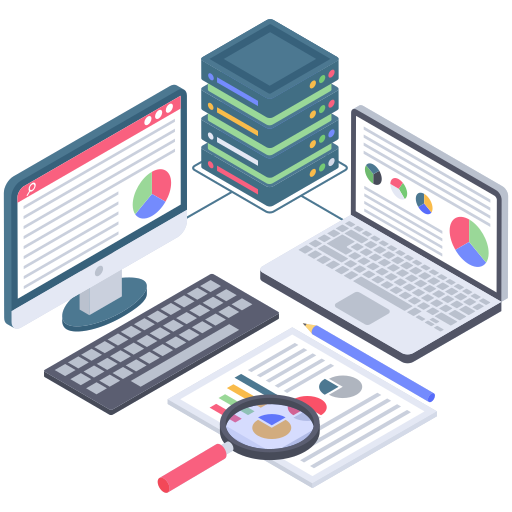
Managed Systems is designed for stores where the online operation is business-critical. In this engagement, Kiruyi takes responsibility for the automation and technical structure as a whole, making and executing system-level decisions as the business evolves
What it handles
1. Ownership of automation systems and their evolution
2. Catalog structure and long-term data consistency
3. Technical SEO at the system and architecture level
4. Performance considerations tied to automation and scale
5. System-level changes driven by real store behavior
How it's typically used
Managed Systems is used when the online store is central to the business and requires continuous involvement. Kiruyi works as an embedded partner, prioritizing and executing changes across automation, structure, and technical foundations. Decisions are made with long-term stability and operational impact in mind.